
The Ultimate Wedding Day Timeline Guide
A thoughtfully planned wedding day timeline creates space for calm, connection, and meaningful moments. This guide breaks down a realistic, stress-free wedding day schedule couples can actually follow.
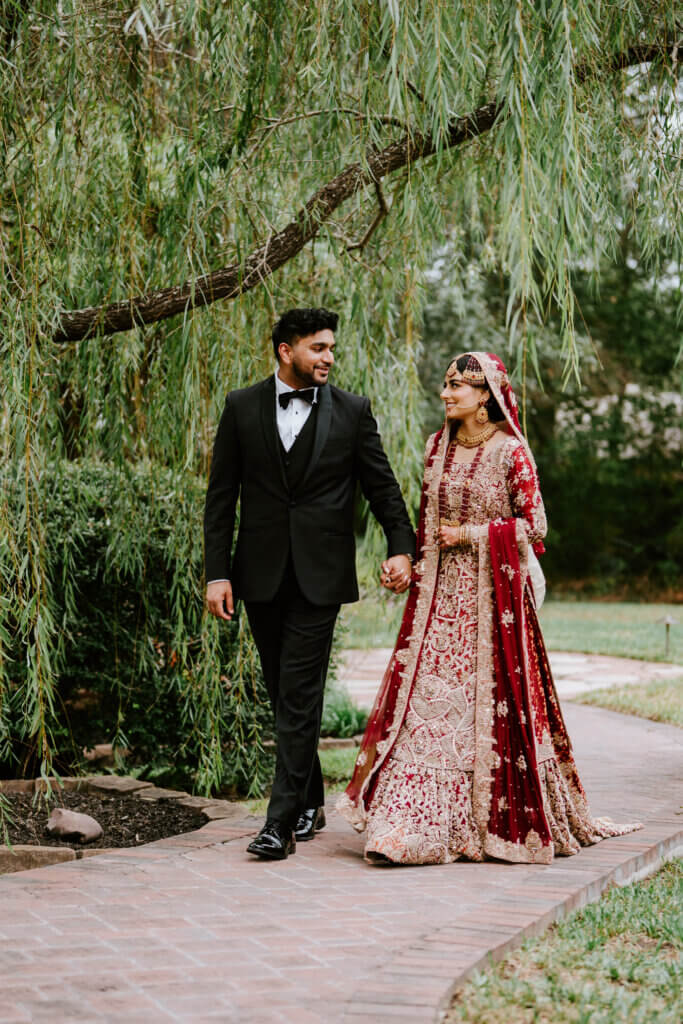
There’s no such thing as a one-size-fits-all wedding day timeline. Every celebration looks different depending on the couple, the venue, the season, and the priorities of the day. That said, most smooth, stress-free wedding days are built around the same core structure. This guide walks through a realistic wedding day timeline, explains why each portion matters, and helps couples understand how to plan a day that feels balanced, unrushed, and enjoyable. Use this as a starting point, not a strict rulebook.
This timeline reflects a traditional evening wedding with a first look and a single venue for ceremony and reception. Times can and should be adjusted based on your ceremony start time, guest count, and personal preferences. If you are skipping a first look, hosting a morning or brunch wedding, or planning a multi-day celebration, the framework still applies—the pacing simply shifts.
The venue opens, allowing vendors and the wedding party to arrive. This window is used for vendor setup, hair and makeup team load-in, and coordinator walkthroughs. Early access helps prevent delays later in the day and allows vendors to work efficiently without overlapping with guests.
Hair and makeup begin in waves, typically starting with the wedding party and finishing with the bride or couple. This extended window accounts for individual services, touch-ups, and any delays. Hair and makeup frequently take longer than expected. Starting early reduces pressure and allows the morning to feel calm rather than rushed. You’ll want to buffer at least 30 minutes for this block.
The photographer arrives and begins capturing flat lays and detail shots while hair and makeup continue. This includes attire, rings, stationery, and personal items.
What to prepare in advance: Invitation suite, rings, shoes, jewelry, vow books, heirlooms
Having these items ready avoids pulling people away from hair and makeup.
Hair and makeup wrap up with final touch-ups. Attire is steamed, bouquets arrive, and personal items are placed in suites.
The bride or couple gets dressed, assisted by a small group. This is a key emotional moment and often produces some of the most meaningful photos of the day.
Planning tip: Limit the number of people in the room to avoid distractions and clutter.
Wedding party portraits are taken in shaded or indoor areas. Taking these earlier reduces the number of photos needed after the ceremony and keeps the timeline moving smoothly later.
The couple sees each other privately before the ceremony. This moment is unhurried and allows time for genuine reactions.
Portraits of the couple are taken while everyone is fresh and relaxed. This timing also avoids the rush of sunset portraits later plus completing portraits now allows the couple to attend cocktail hour.
Additional posed and candid wedding party photos are captured. Why this matters? Completing these before the ceremony keeps post-ceremony photos minimal and efficient.
Photos with parents, siblings, and grandparents take place.
Planning tip: Create a family photo list ahead of time to avoid confusion and delays.
The couple rests, hydrates, and resets. Vendors finalize ceremony setup, sound checks occur, and florals are placed.
Why this block is essential: Without this buffer, delays compound quickly before guest arrival.
Guests begin arriving, finding seats, and settling in. Music sets the tone while ushers guide seating.
The ceremony takes place. Most ceremonies fall between 20–30 minutes depending on traditions, unity ceremonies, etc.
Guests enjoy drinks and conversation while the couple finishes any remaining photos.
What happens during this time: Extended family photos, room flip if needed, final reception setup
Guests are invited into the reception space. The couple makes their entrance, followed by a welcome or first dance. Add a few more minutes if you want to parent dances at this time as well, otherwise the parent dances can take place after dinner.
Dinner is served. This hour allows for efficient service and guest comfort.
Planning note: Avoid scheduling speeches during the first half of dinner to allow guests to eat.
Speeches typically occur once plates are cleared. The ideal number of toasts is two to four to keep energy high.
Special dances take place while guest attention is focused.
The main celebration portion of the evening. This window allows for a full dance floor experience without rushing the end of the night.
The DJ announces the final song. Guests prepare for departure.
Music ends at 11:00 PM. Guests exit. Vendors break down and load out. All parties are off-site by midnight.
A well-planned wedding day timeline keeps everyone aligned, but couples don’t have to navigate the process alone. Tools like The Knot’s wedding day timeline template can be a helpful starting point for organizing details and visualizing the flow of the day. And for couples who are booked with a Springs coordinator, your coordinator will create a personalized wedding day timeline tailored to your venue, priorities, and vendor team. From managing logistics to keeping the day running smoothly, our coordination team handles the details so you can focus on enjoying every moment. If you’d like to learn more about booking coordination services, get in touch with our team.
A thoughtfully planned wedding day timeline creates space for calm, connection, and meaningful moments. This guide breaks down a realistic, stress-free wedding day schedule couples can actually follow.
OUR LARGEST SAVINGS EVENT IS HAPPENING NOW! SAVE UP TO $1550